.ico)
.webp)
Landscape construction does not stop in winter, but in Halifax, Nova Scotia, it requires a more disciplined and informed approach. Freeze thaw cycles, soil movement, and fluctuating moisture levels have a direct impact on construction performance. Understanding which landscape construction services can be responsibly executed during winter and which should be deferred until spring is essential to protecting long term project results.
1. Machine and Earthworks
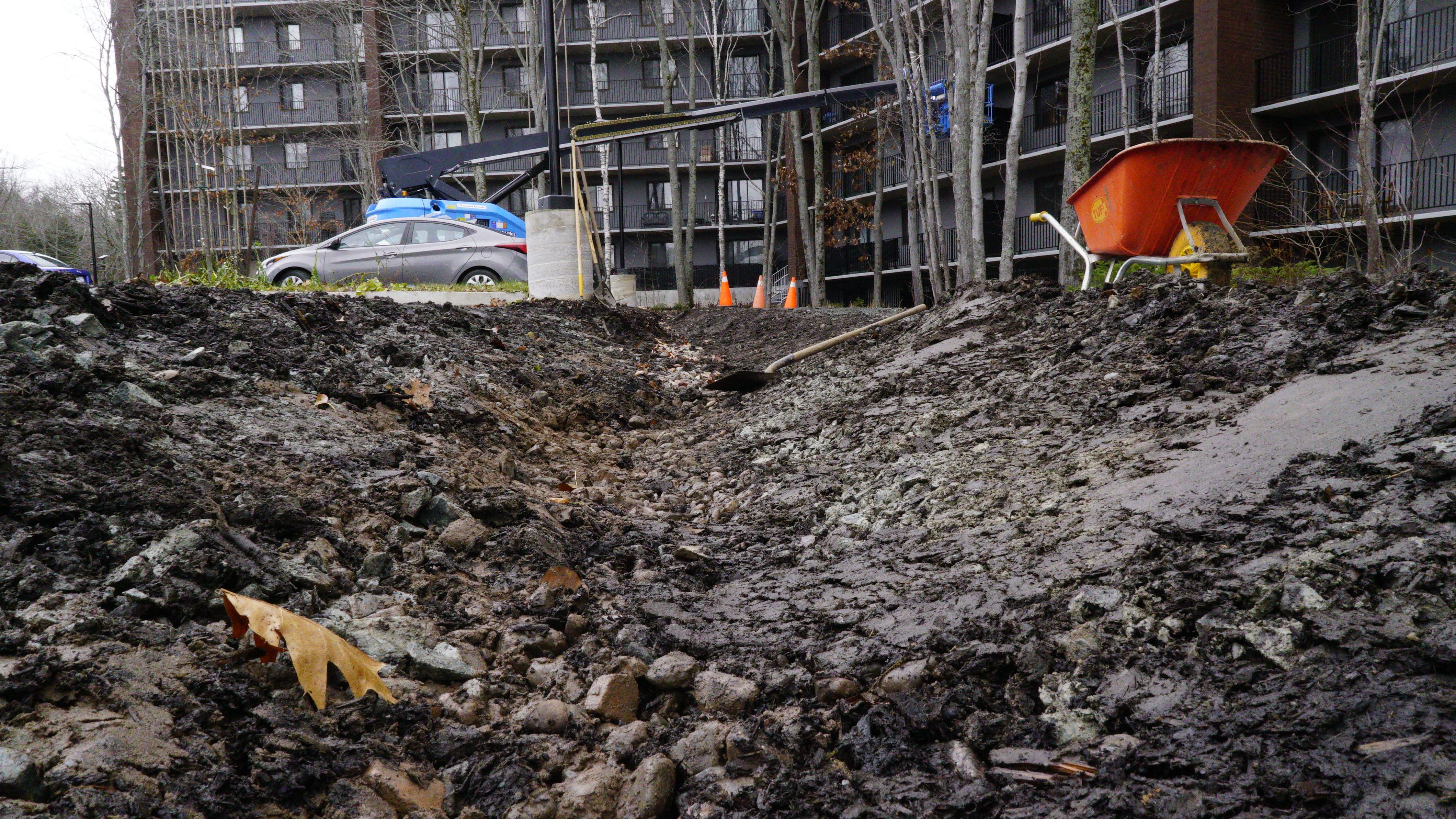
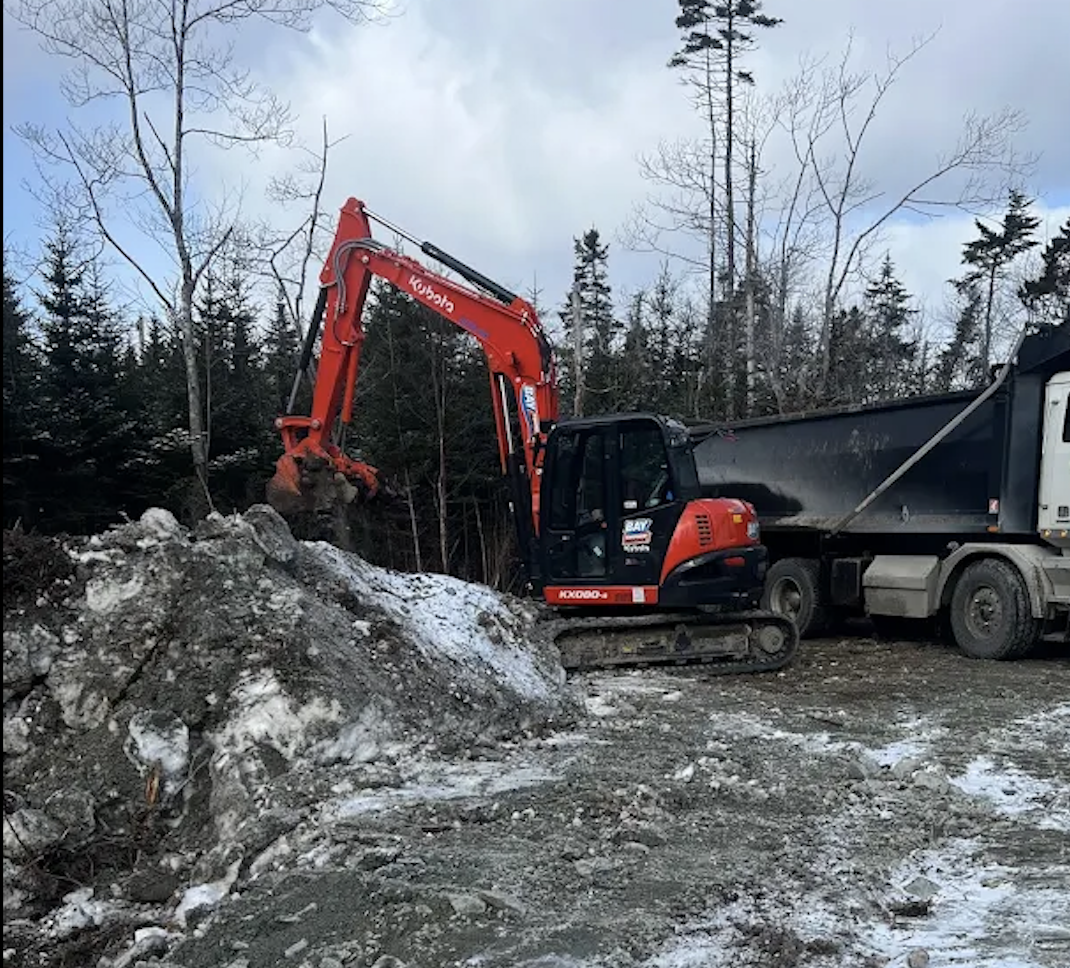
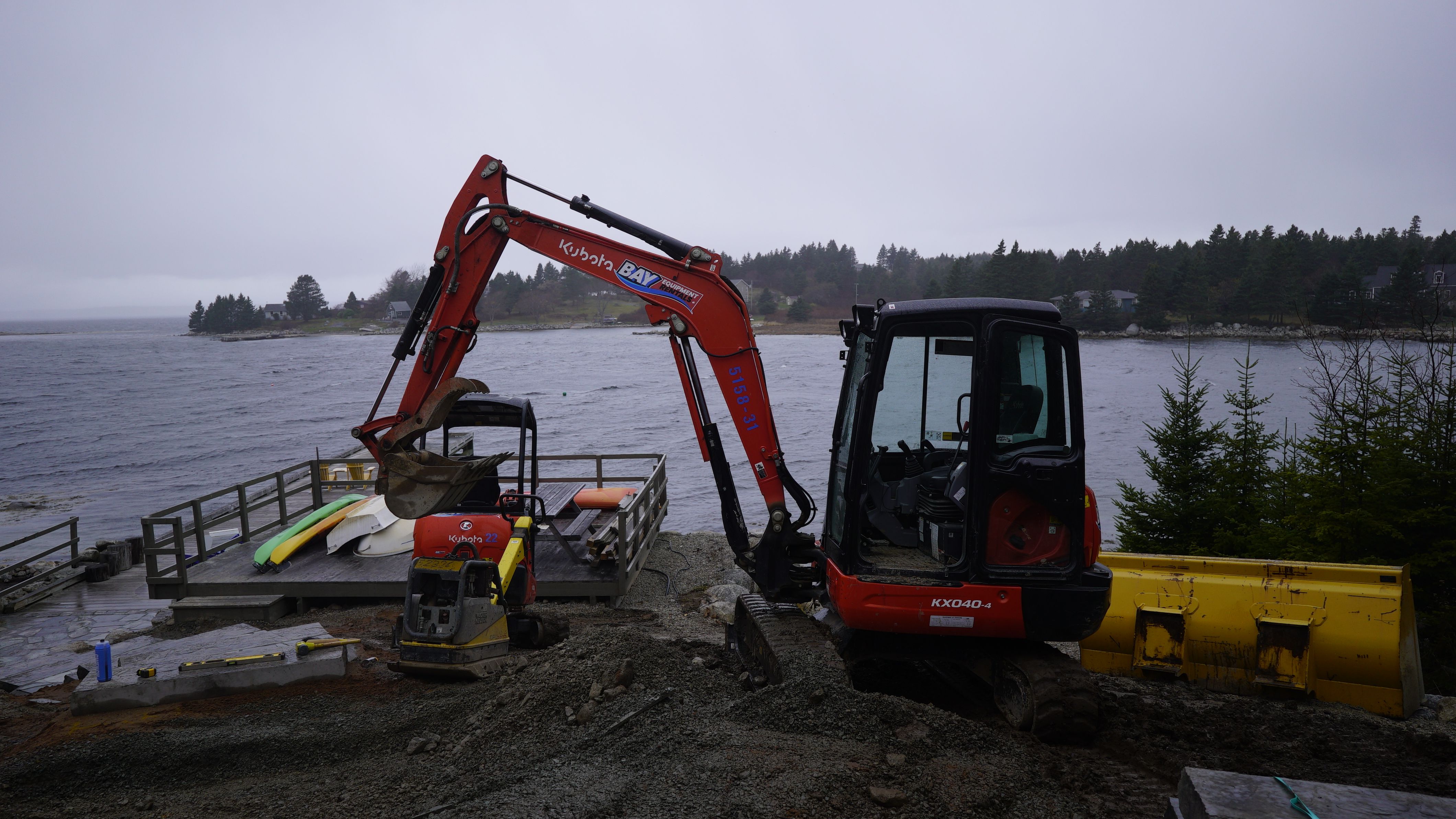
Winter conditions can be well suited for early-stage earthworks that shape the site and establish overall grades. At this stage, the focus is on mass movement and site preperation rather than finished grades, allowing progress without relying on tight margins. When soil conditions are actively assessed and managed, this work can be advanced responsibly and set the project up for efficient execution once conditions stabilize.
2. Large Scale Planting
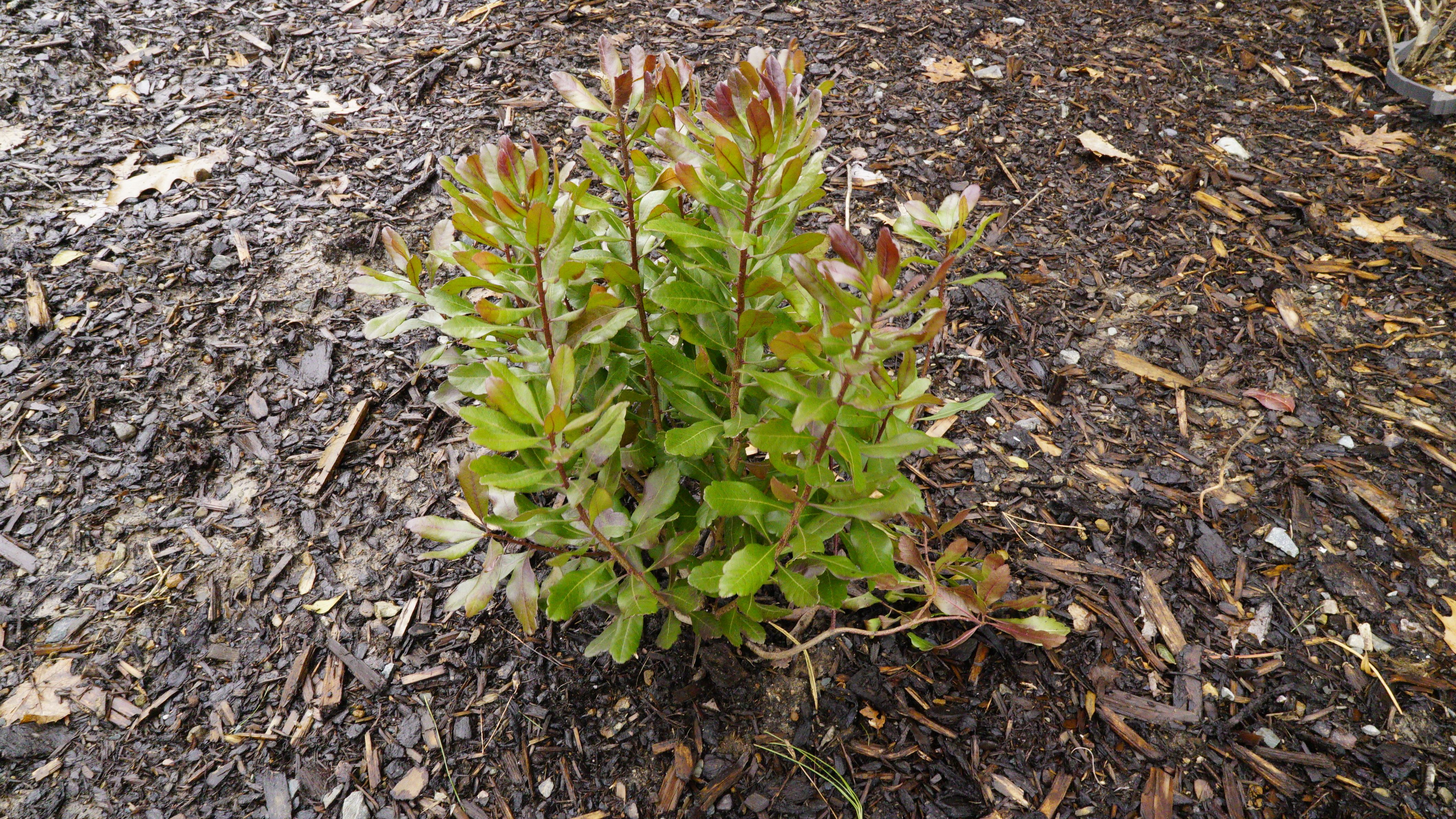
Large scale planting of trees, shrubs, and smaller perennials can be completed during winter when soils are sufficiently thawed and properly prepared. Success depends on appropriate species selection, correct handling, and careful timing. When executed correctly, winter planting in Halifax can support earlier establishment once temperatures rise.
3. Woodwork and Composite Decking
Decks, pergolas, and other wood or composite structures can be constructed during winter provided footings are installed below frost depth. These structures rely on stable foundations rather than surface soils, which makes them less susceptible to freeze thaw movement. Proper footing installation remains critical to long term performance.
4. Demolition and Site Clearing
Demolition and removal of existing hardscape, structures, or landscape elements can be efficiently completed during winter. Advancing demolition work clears sites for spring construction and reduces congestion during peak construction months. This sequencing improves overall project flow and efficiency.
5. Design Build Planning and Pre Construction Coordination
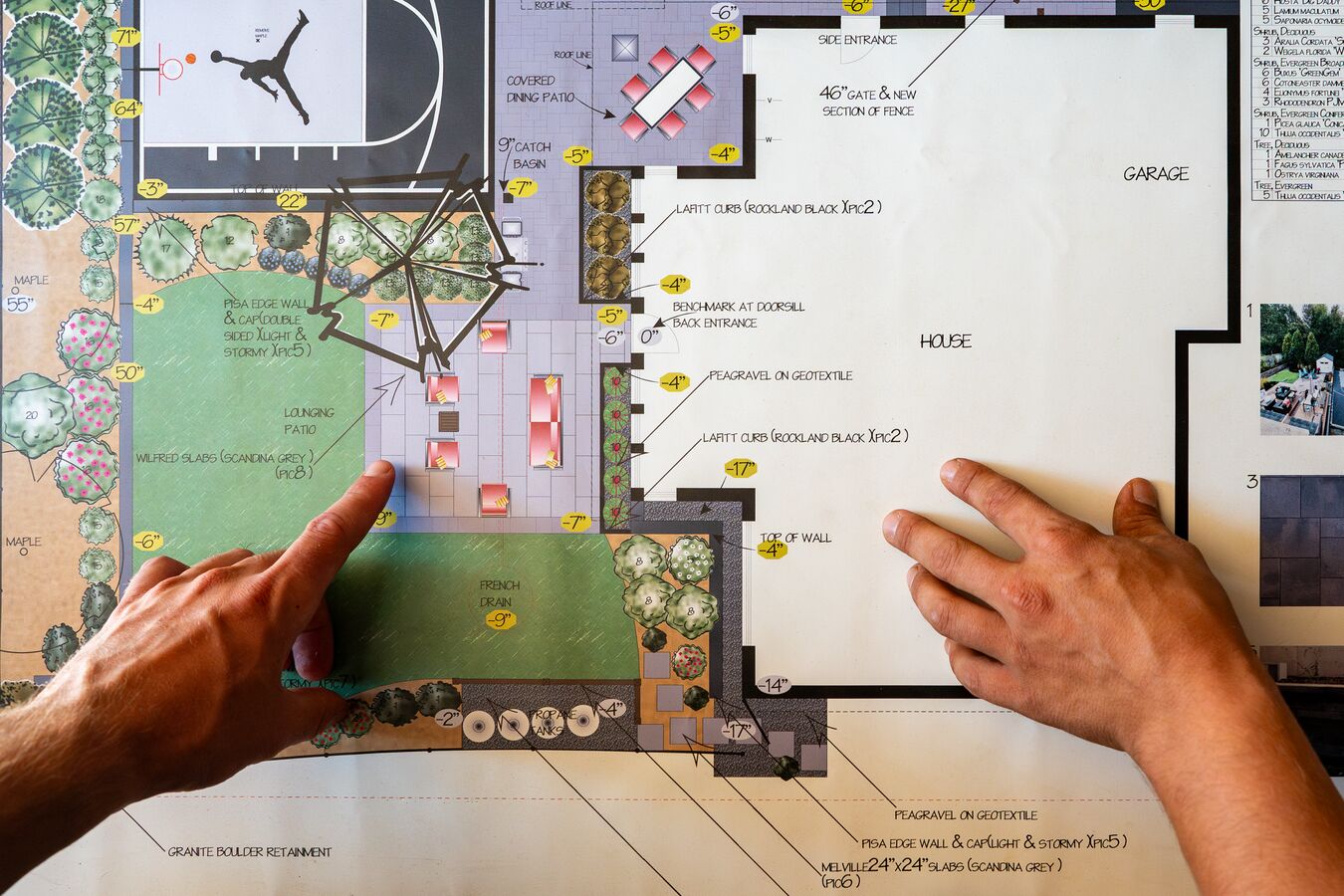
Winter is an ideal time to advance landscape design-build planning, permitting, material selection, and construction coordination. Early planning improves cost certainty, reduces delays, and allows projects to move efficiently once site conditions improve. This phase is foundational to successful landscape construction in Halifax.
1. Paver Installation
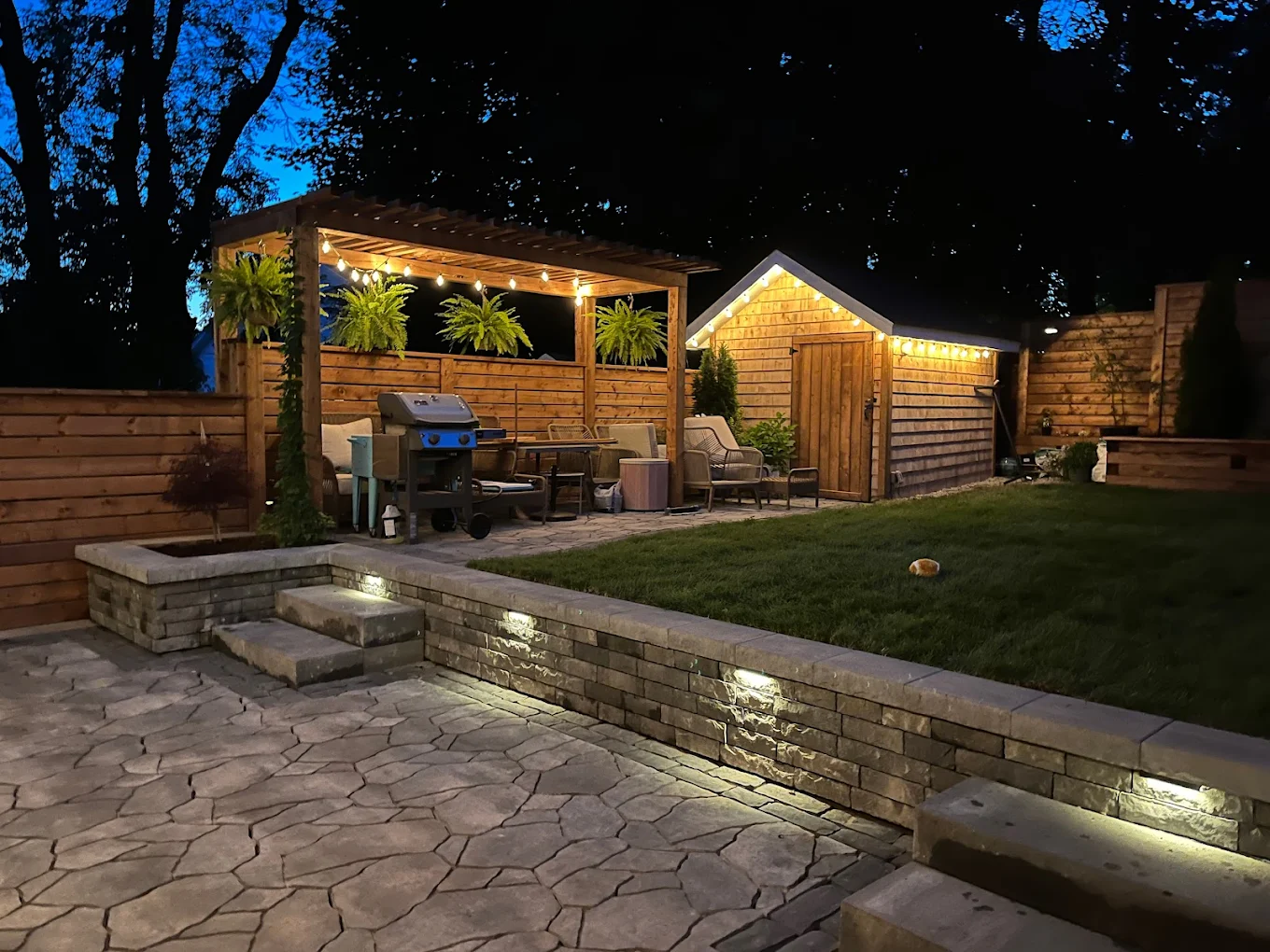
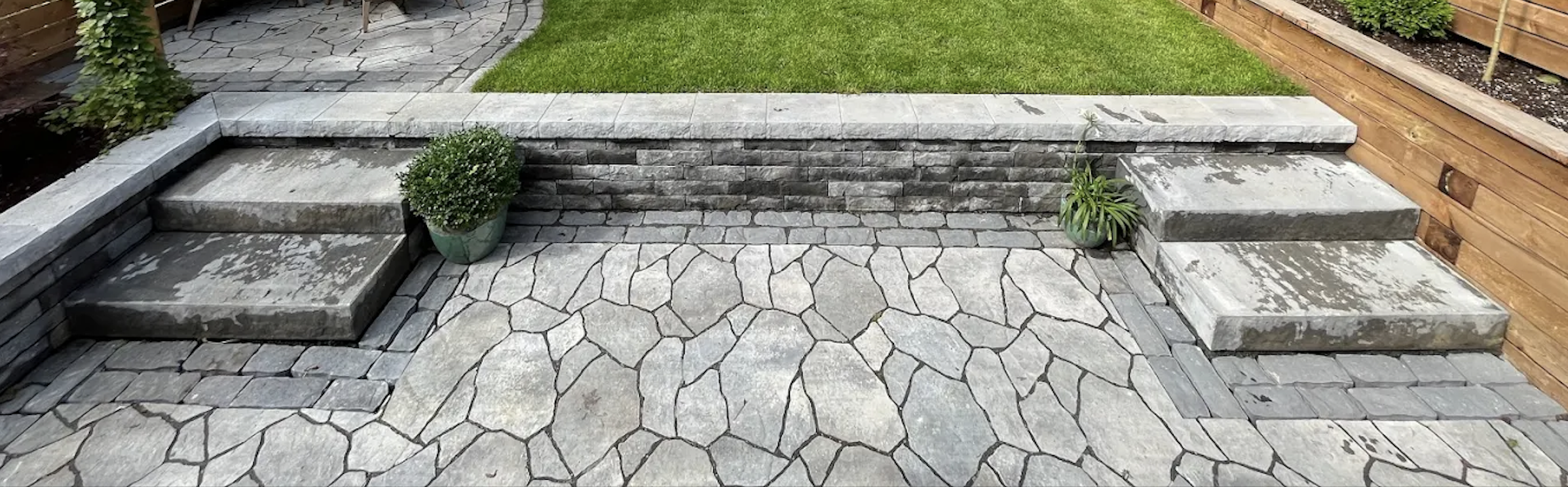
Installing pavers during freeze thaw conditions creates a high risk of compromised base compaction and surface alignment once temperatures fluctuate. Even well prepared granular bases can lose density as underlying soils expand and contract. For this reason, final paver installation is best deferred until ground conditions have stabilized.
2. Retaining Walls and Structural Hardscape
Structural retaining walls depend on stable excavation, predictable soil behavior, and proper compaction. Winter conditions compromise these requirements and increase the risk of long term movement or failure. Deferring this work until spring protects structural integrity and durability.
3. Final Grading, Sod, and Turf Installation
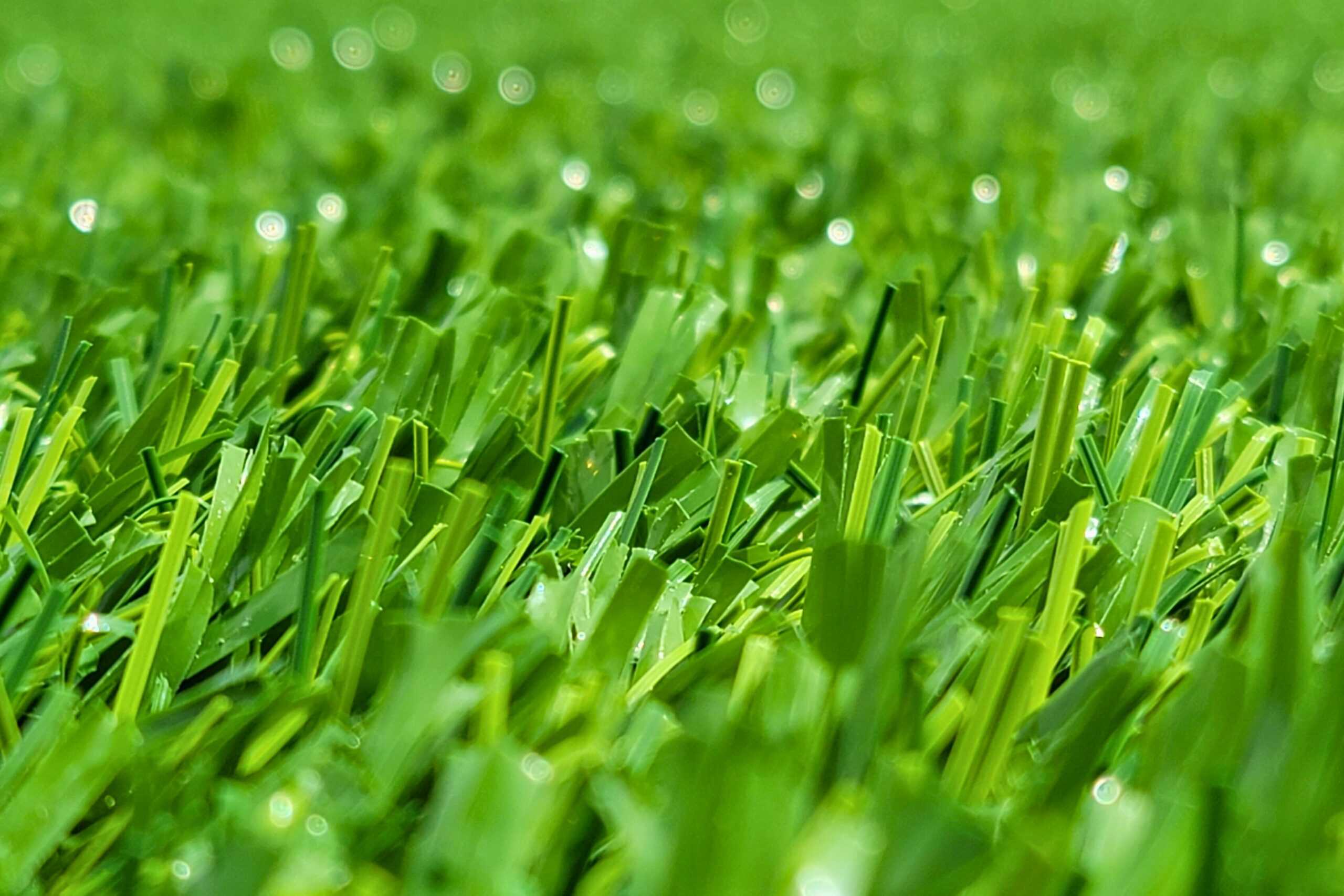
Establishing final grades and installing sod or turf requires stable soils and consistent moisture levels. Freeze thaw cycles disrupt compaction and surface tolerance, increasing the risk of settlement and poor establishment. Deferring this work until spring protects long term performance and visual quality.
Professional landscape construction in Halifax is defined by judgment as much as execution. Advancing the right work during winter while deferring high risk activities reduces rework, protects investment, and leads to better outcomes once spring arrives. Winter is not a pause in progress. It is an opportunity to plan, sequence, and execute landscape construction work with intention and precision.

Request an Estimate


Copyright © 2026 Oakhill Outdoor Terms and ConditionsPrivacy Policy


.jpeg)
.jpeg)