.ico)
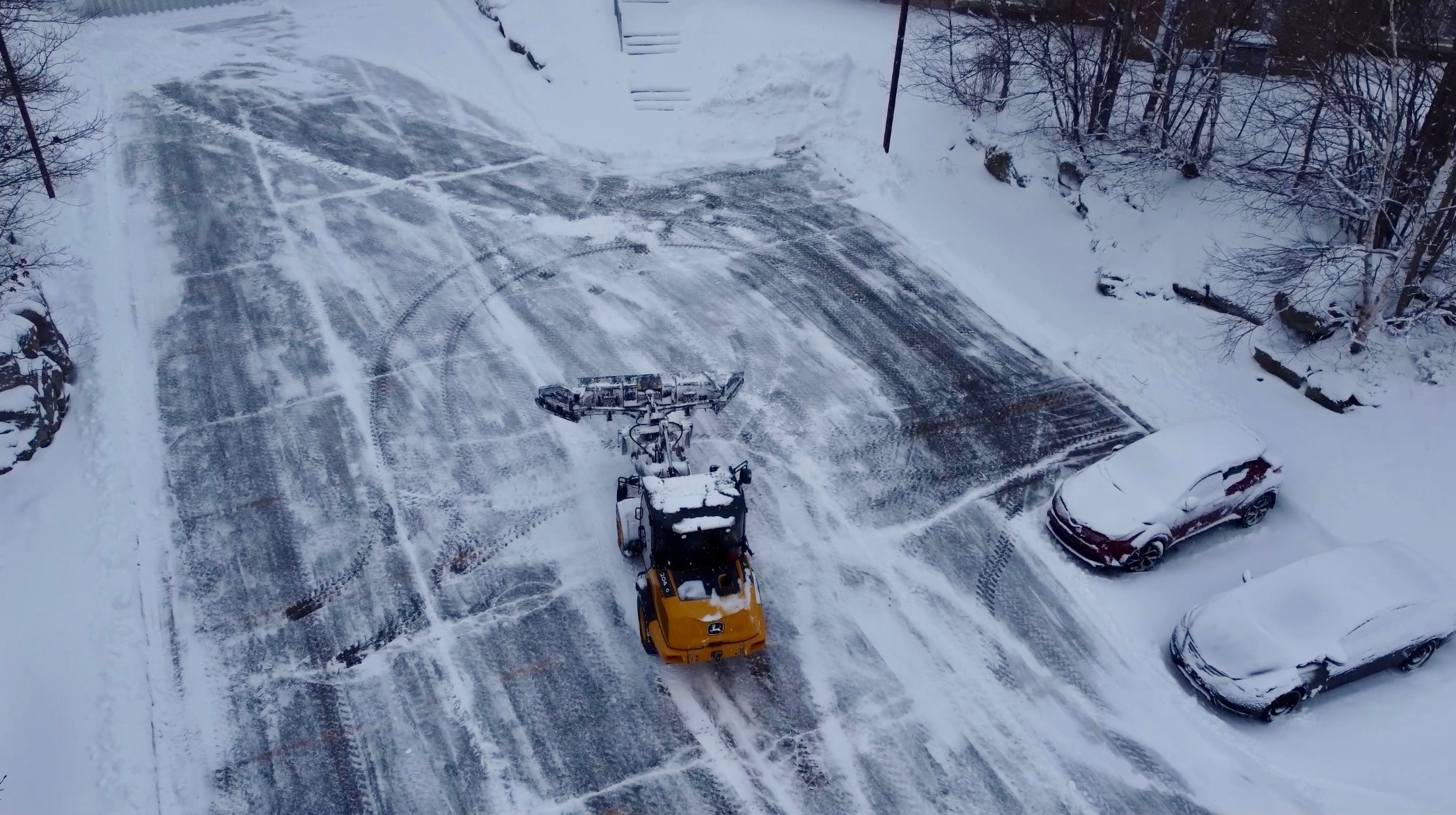
Nova Scotia’s winters demand more than basic plowing and salting. While clearing snow from roads, parking lots, and walkways is expected, there are many strategic decisions behind professional snow removal that are often overlooked. The way snow and ice are managed affects property safety, infrastructure longevity, and resulting spring conditions.
Here are five important elements of snow management in Nova Scotia that are often overlooked, yet make a lasting difference:
1. Snow Storage Impacts Spring Conditions
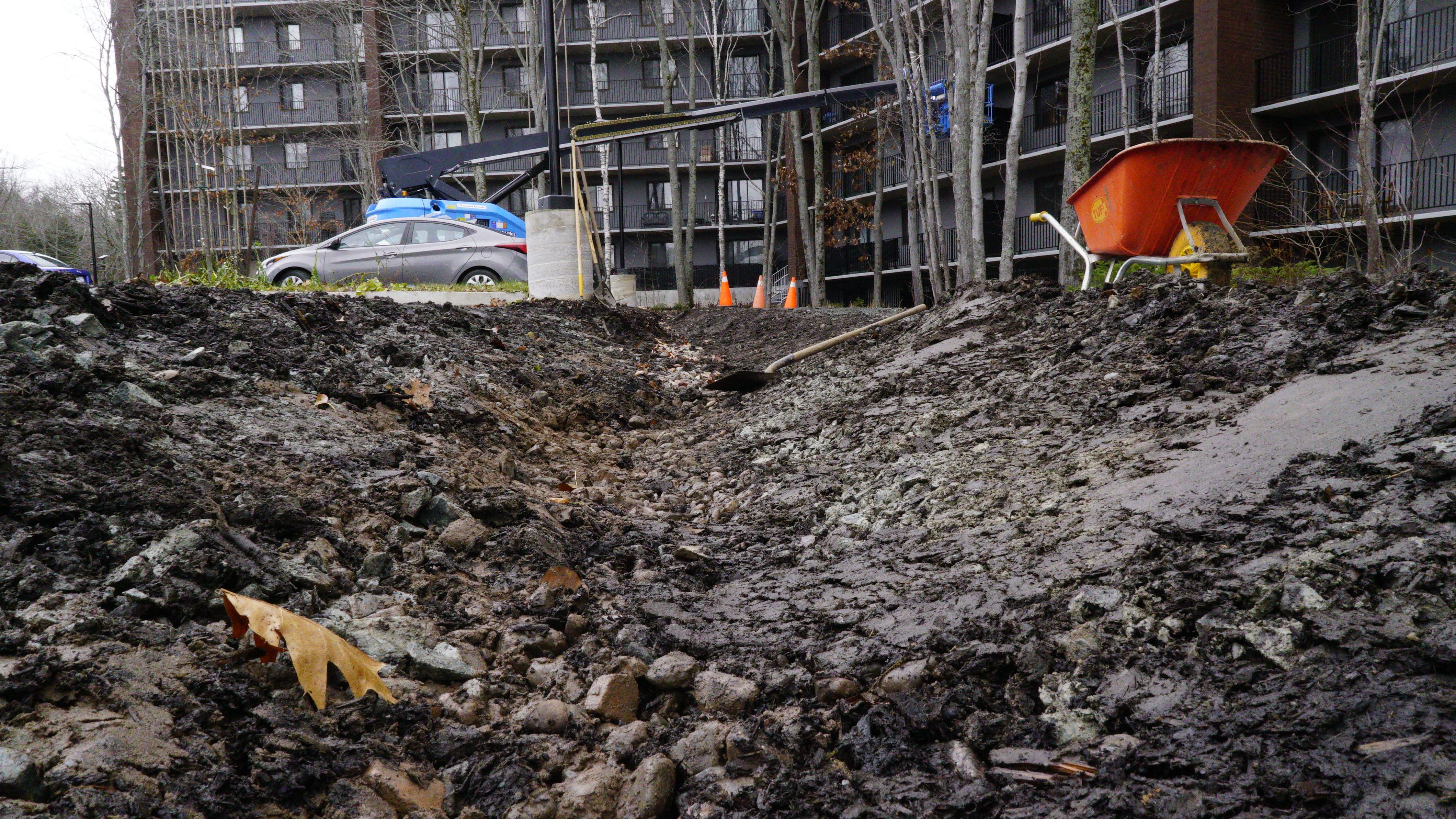
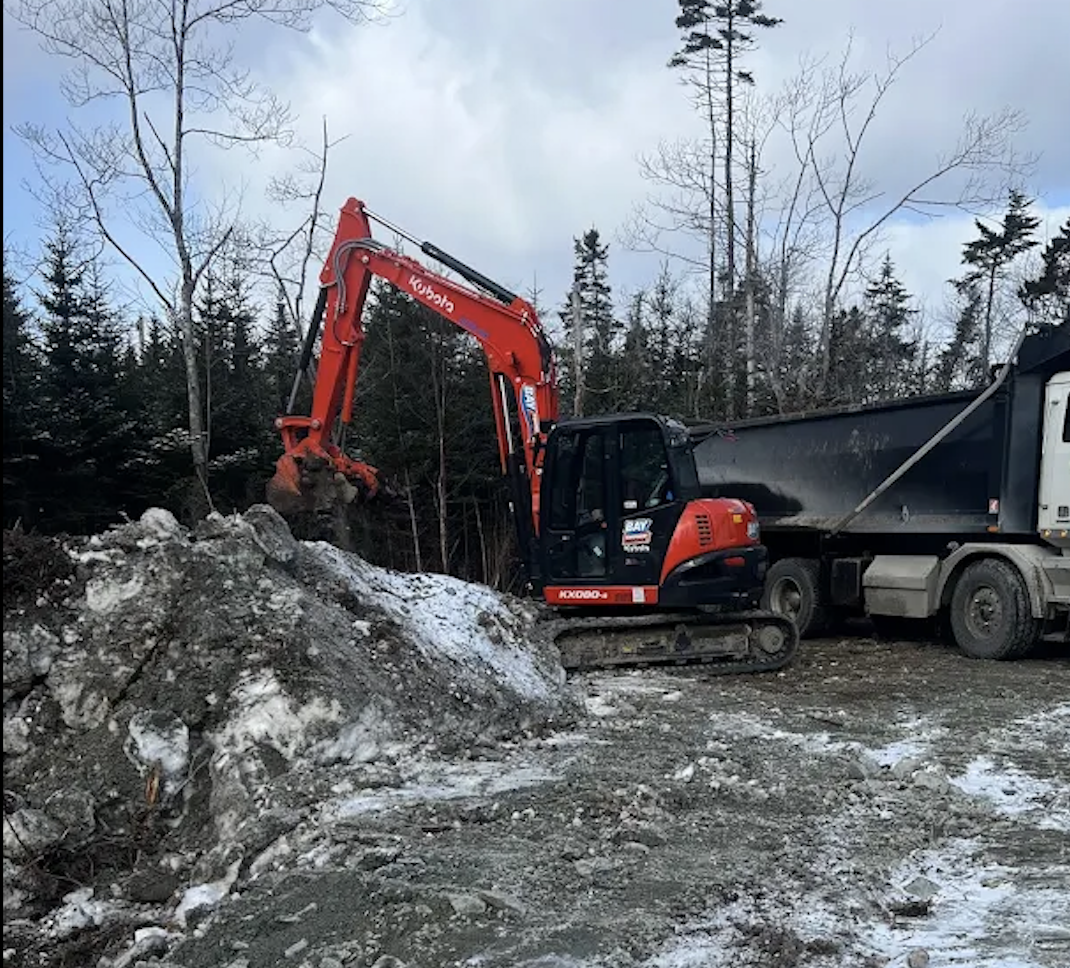
Where snow piles are placed has a direct impact on the property long after winter ends. Poor placement can suffocate plants, create visibility issues, and trap meltwater against buildings. Proper snow storage practices ensure that drainage remains open, sightlines stay clear, and landscaping is not damaged during the freeze and thaw cycle.
2. Slopes and Drainage Dictate Where Hazards Form
Ice does not form randomly. Meltwater follows grading and can refreeze in high-traffic areas, especially near building entrances and walkways. Understanding site drainage allows proactive treatment of the areas most likely to freeze. This reduces hazards and improves winter safety for every person who uses the property.
3. Accessibility Matters for Emergency Services
Snowbanks that reduce visibility or block emergency access routes create significant risks. Strategic clearing maintains safe access for first responders, delivery vehicles, and tenants. Proper planning helps ensure operational continuity throughout the winter season.
4. Salt Bins Must Be Placed to Protect Landscapes
Salt storage decisions may seem small, but placement directly affects property health. Bins positioned near turf, gardens, or exposed roots can lead to soil contamination and long-term vegetation damage. Locating bins on hard surfaces, away from plantings and water features, maintains quick access to ice control solutions while protecting valuable landscaping.
5. Protecting Hardscapes Requires Skill and Precision
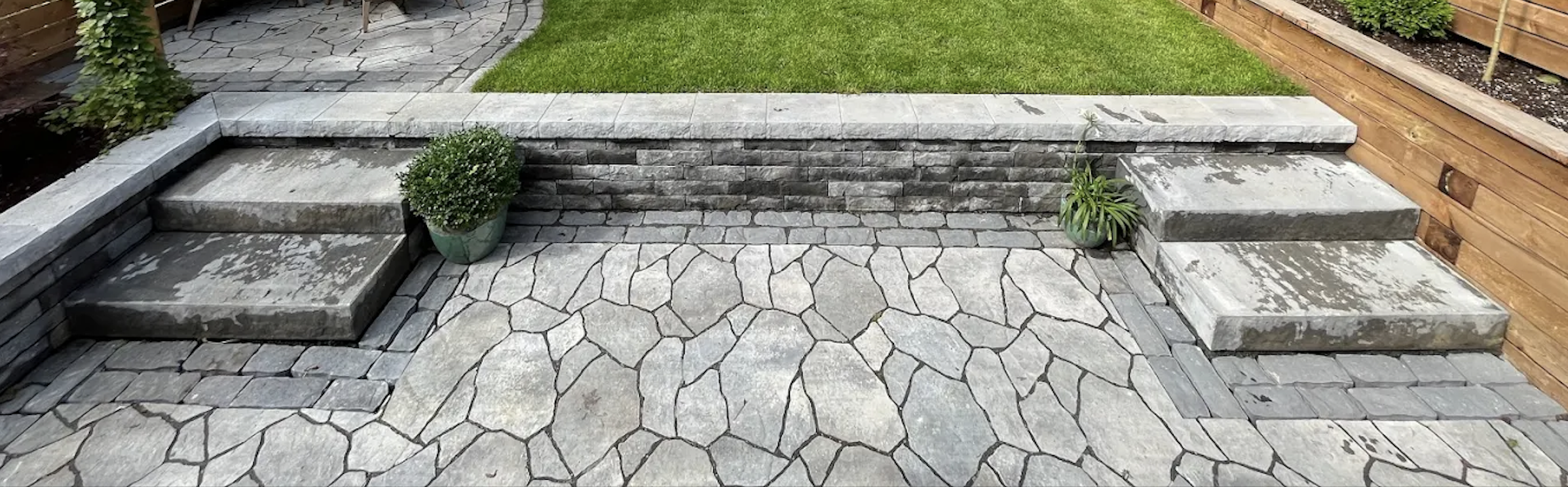
Curbs, paving edges, railings, and retaining walls can suffer long-term damage if snow equipment is handled incorrectly. Planned routes and trained operators reduce the risk of impact damage, cracking, and shifting. This helps prevent winter property damage and protects the investment made in professionally built landscapes.
High-performance winter management focuses on safety, infrastructure protection, and environmental responsibility. When a property has a clear snow and ice management plan, winter becomes more controlled, predictable, and cost-efficient when spring arrives.
Protect your property, your tenants, and your operations this winter. Contact Oakhill Outdoor to discuss a professional snow and ice management plan tailored for commercial sites in Halifax and the surrounding areas of Nova Scotia.

Request an Estimate


Copyright © 2026 Oakhill Outdoor Terms and ConditionsPrivacy Policy


.webp)

.jpeg)


.jpeg)