.ico)
In complex landscape construction projects across Halifax and Nova Scotia, scheduling is not just about setting dates, it’s about creating a reliable system for getting work done. Traditional construction schedules often look good on paper but fail once work begins, leading to congestion on site, missed timelines, and unnecessary rework.
At Oakhill Outdoor, we use a Lean based scheduling framework built around four integrated planning methods: Master Job Scheduling, Pull Planning, Look Ahead Planning, and Weekly Planning. Together, these tools create a coordinated system that improves communication, removes bottlenecks, and ensures our landscape construction projects in Halifax are delivered with control, consistency, and predictability.
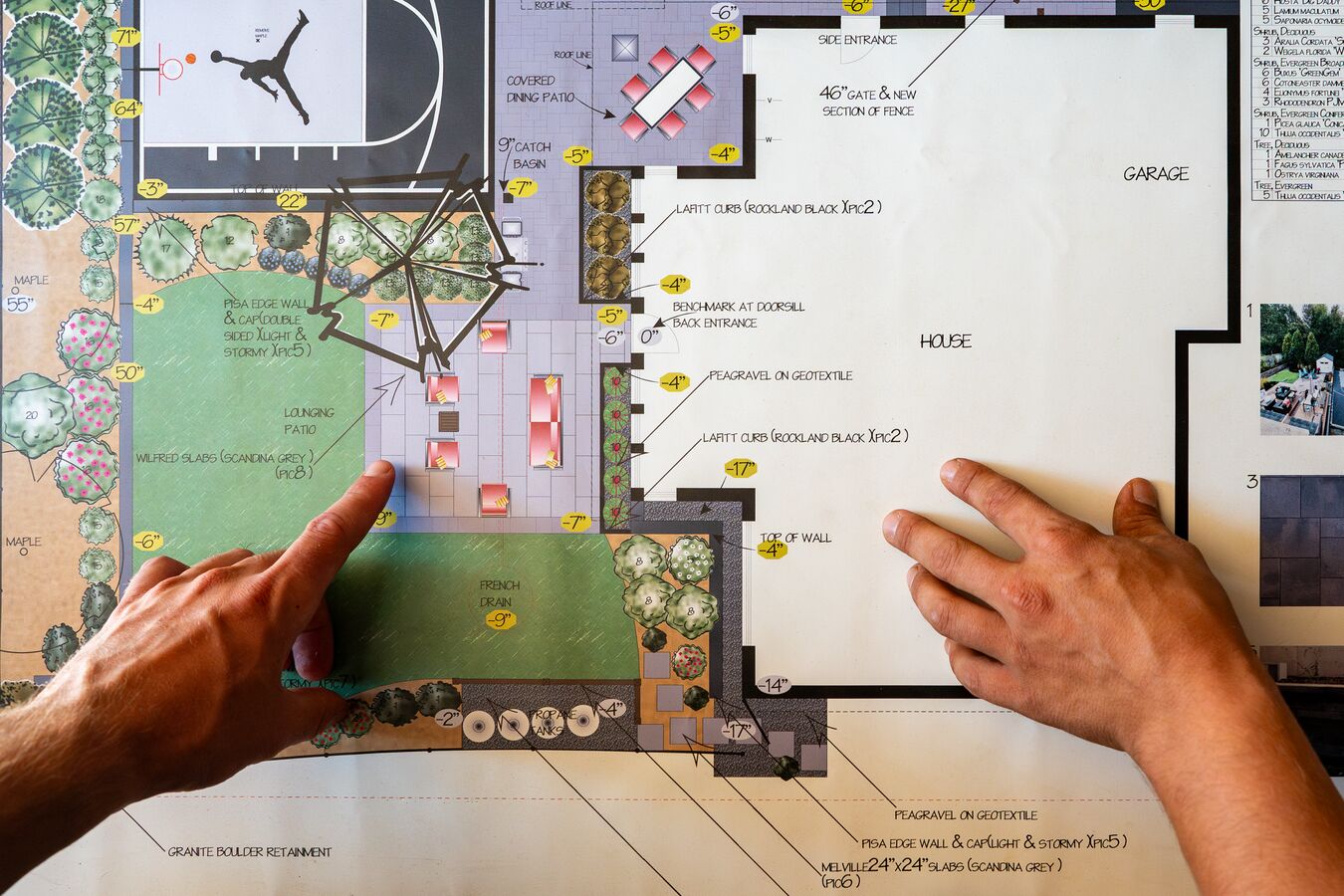
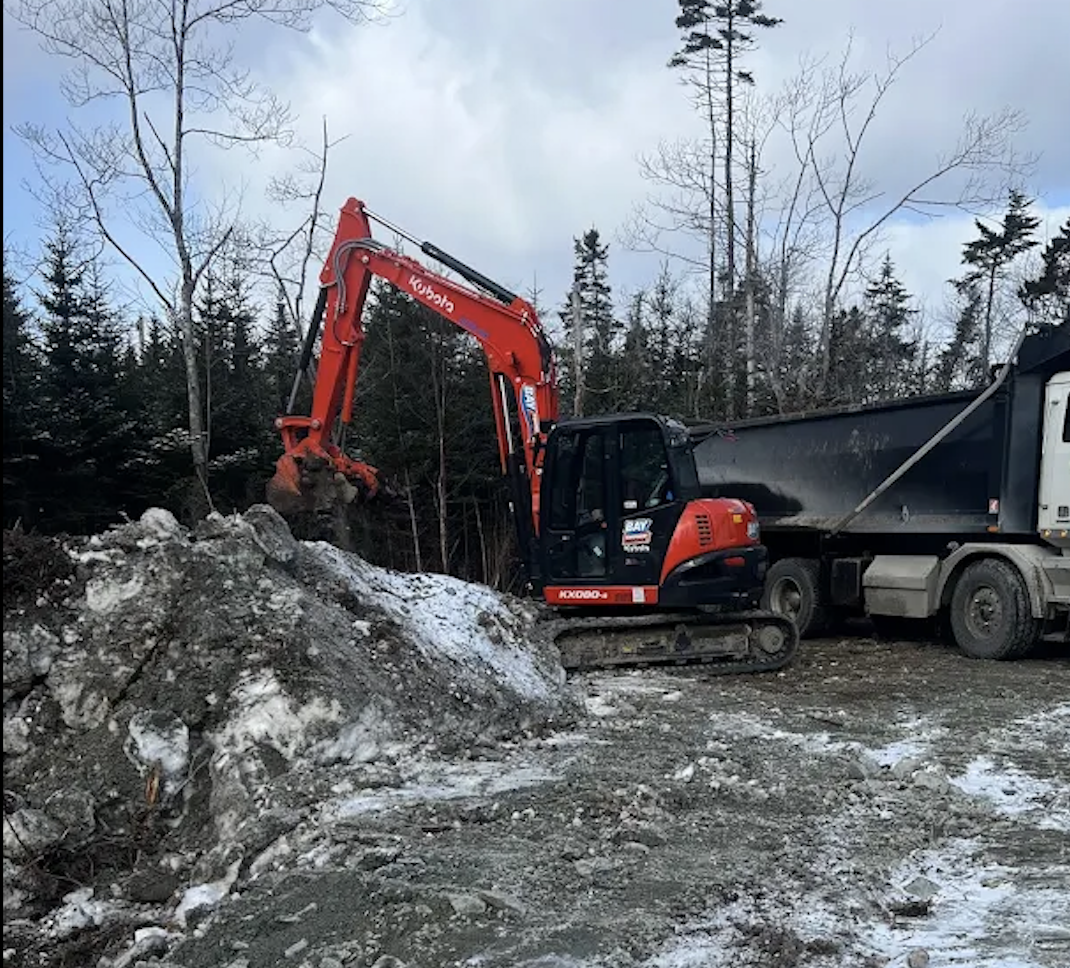
The Master Job Schedule establishes the overall roadmap for a landscape construction project. It identifies key milestones such as excavation, retaining wall installation, hardscape construction, drainage systems, planting, and final completion. This schedule is aligned with permits, inspections, and client expectations, providing a clear framework for how the entire project will unfold.
For complex outdoor construction in Halifax, where soil conditions, weather, and municipal approvals all affect sequencing, a strong master schedule ensures that the project is structured from the start. It defines what must happen and when, allowing our team to coordinate trades, material deliveries, and site access well before work begins.
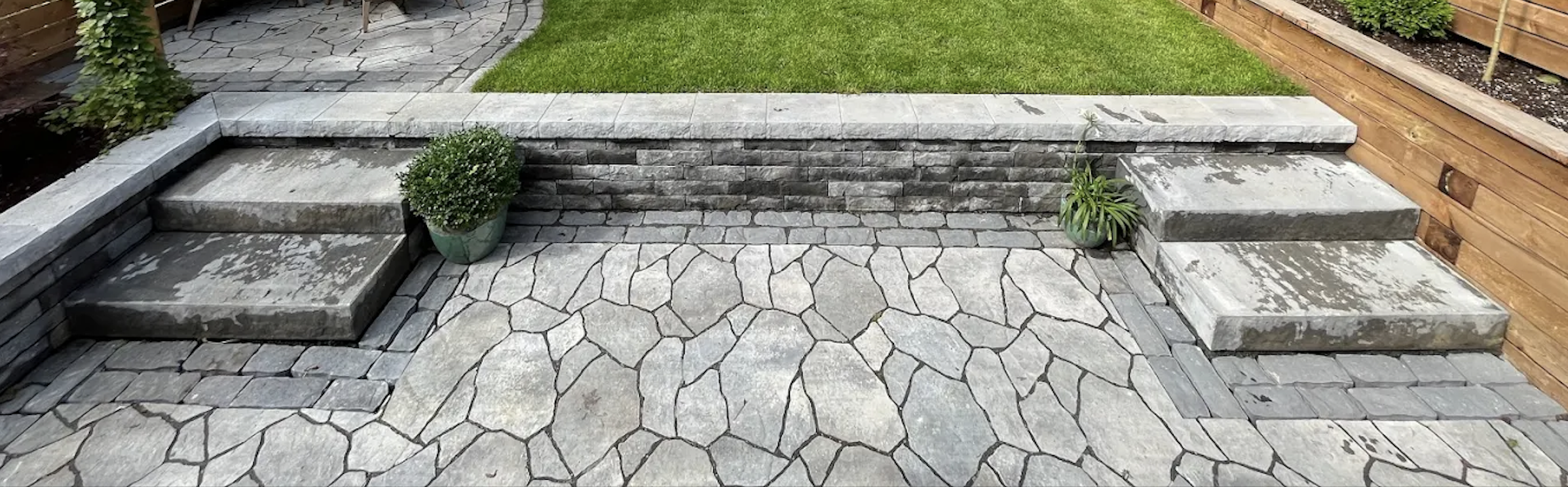
Pull planning shifts scheduling from a push based system to a flow based system. Instead of guessing what should happen next, the project team works backward from a milestone, such as completing a patio, driveway, or retaining wall, to identify what must be completed before that work can start.
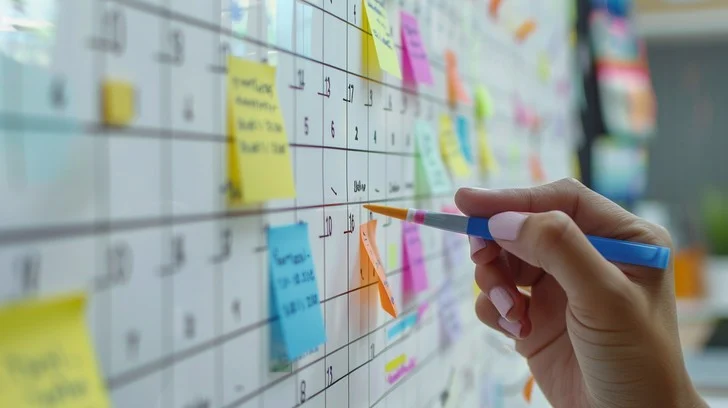
This collaborative planning process brings together field crews, project managers, and suppliers to define a realistic construction sequence based on how the work is actually built. Each party involved is clearly represented on the planning timeline along with the tasks they are responsible for, creating a clear visual of what work takes place on each day and who is involved. This also allows the team to identify whether tasks can be combined into the same day for greater efficiency without creating conflicts.
For our Halifax landscape construction projects, Pull planning allows for fewer site disruptions, smoother trade handoffs, and a continuous flow of work that keeps projects moving forward.
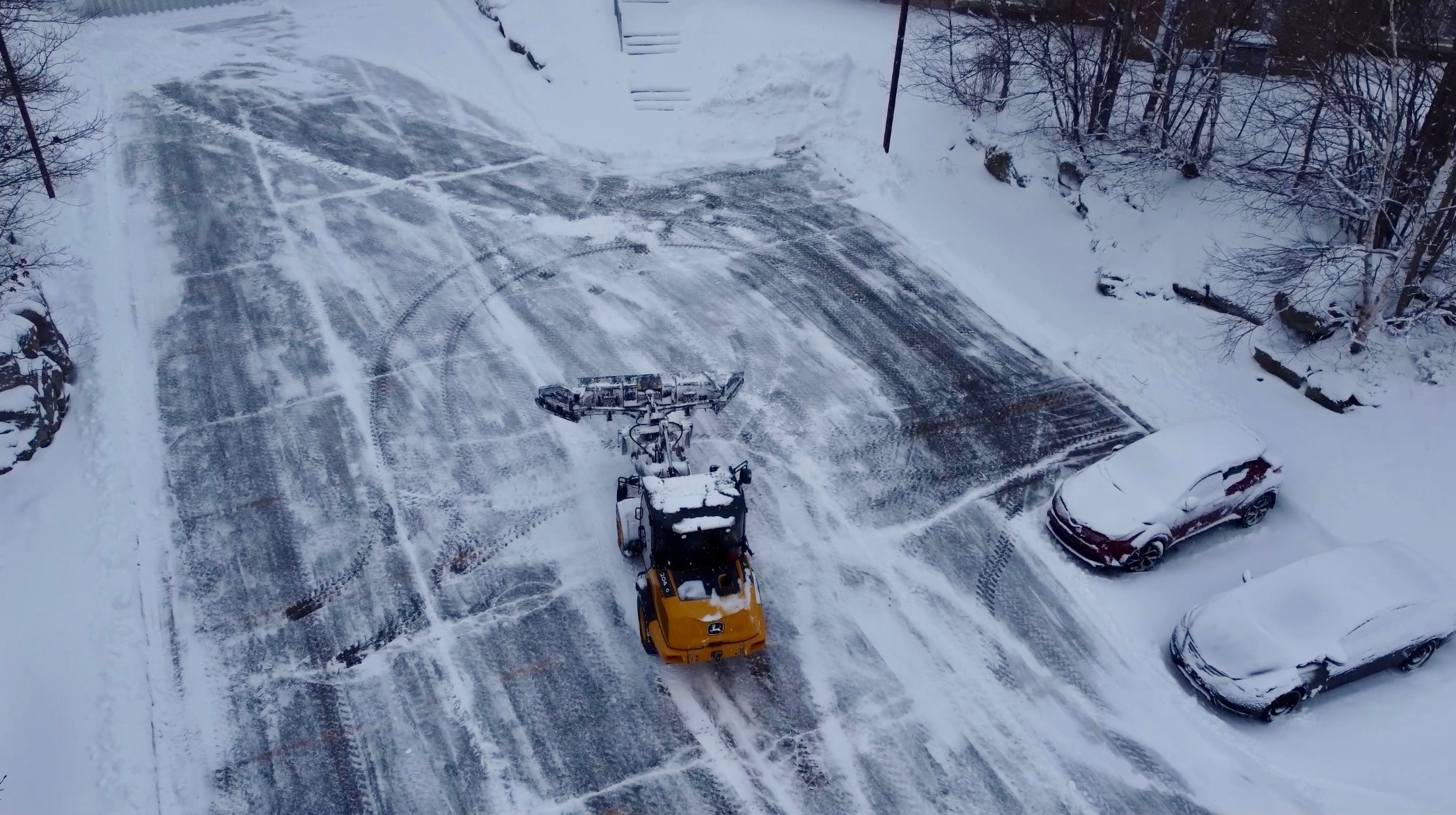
Look ahead planning, often called make ready planning, focuses on the next several weeks of work. Every activity scheduled for that window is checked for constraints such as permits, design approvals, materials, equipment, access, and crew availability. If something is missing, the task is not allowed to proceed until it is fully ready.
This process is especially important in Nova Scotia landscape construction, where frequent constraints can easily disrupt a project. By identifying obstacles weeks in advance, we are able to resolve issues before they delay crews on site. Look ahead planning allows Oakhill Outdoor to maintain reliable progress, even on the most technical outdoor builds and high-end hardscape installations.
Weekly planning converts the master schedule and look ahead plans into specific, measurable commitments from the people doing the work. Forman and field leaders commit to what will be built in the coming week based on what is actually ready.
This commitment based planning system ensures that our Halifax landscape construction crews are always working on tasks that can be completed without interruption. At the end of each week, performance is reviewed, and any missed commitments are analyzed so the system continues to improve. The result is a more predictable jobsite, higher productivity, and fewer surprises for our clients.
When combined, Master Job Scheduling, Pull Planning, Look Ahead Planning, and Weekly Planning create a fully integrated production control system. Instead of relying on guesswork or static schedules, Oakhill Outdoor manages work based on readiness, flow, and real time commitments.
This approach improves communication between designers, project managers, field crews, and suppliers, ensuring that every part of a project is aligned. For our clients, this means fewer delays, less rework, and a smoother overall experience, especially on large scale landscape construction projects in Halifax that involve structural elements, complex grading, and high-end architectural features.
By applying Lean scheduling principles, Oakhill Outdoor delivers outdoor construction with the same level of coordination and discipline found in the most advanced building projects, providing clients in Halifax with a higher standard of landscape construction. It is one of the key reasons our projects move faster, run cleaner, and produce better long term results.

Request an Estimate


Copyright © 2026 Oakhill Outdoor Terms and ConditionsPrivacy Policy

.webp)
.jpeg)


.jpeg)