.ico)
.jpeg)
Lean Project Delivery starts with a simple reality. The earlier decisions are made, the more impact they have on cost, quality, and long-term project outcomes. The MacLeamy Curve illustrates this clearly. At the beginning of a landscape construction project, teams have the greatest ability to influence cost, quality, and outcomes, while the cost of change is at its lowest.

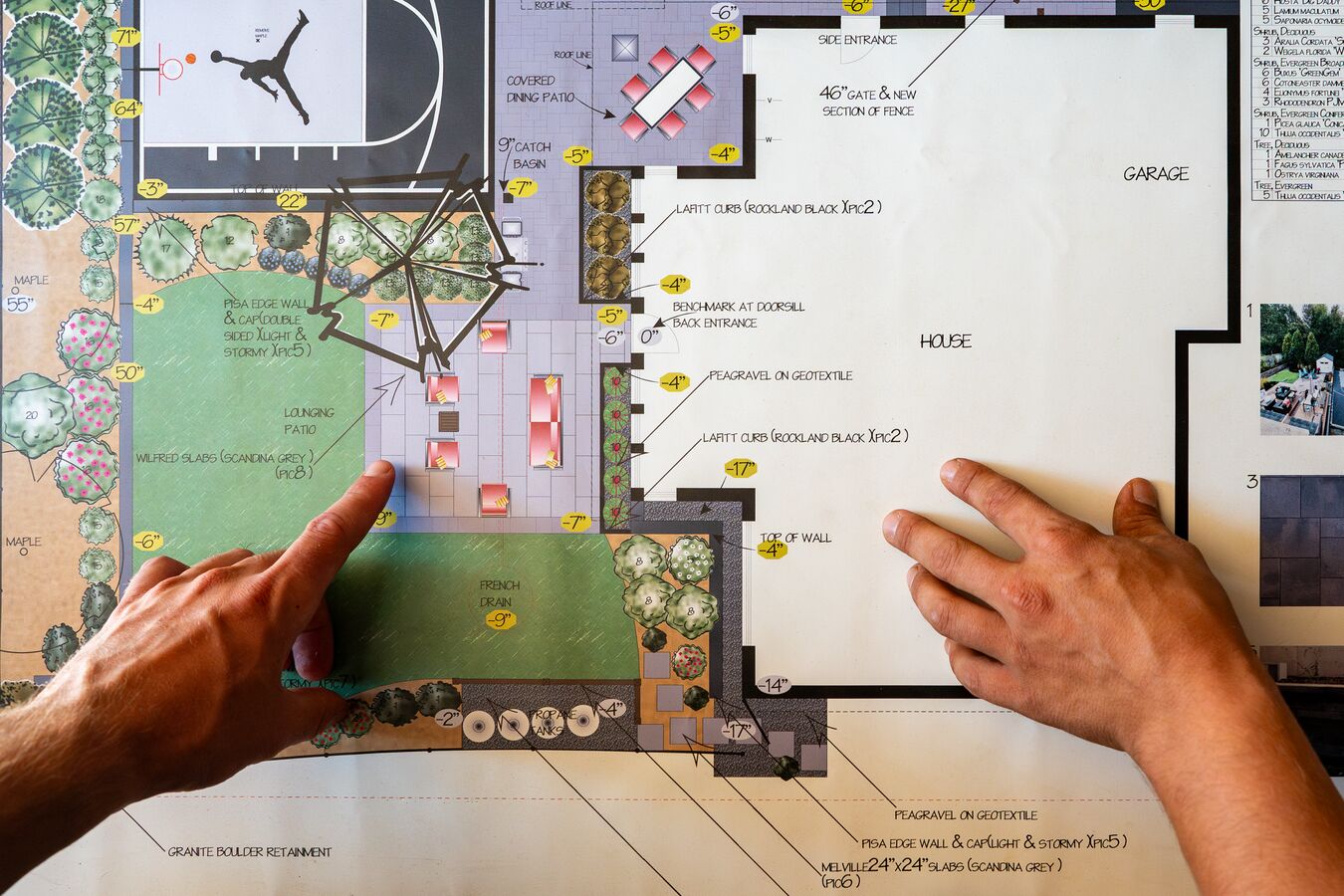
In traditional construction, including many landscape projects, critical decisions are often deferred. Designs move forward based on assumptions, and possible constraints concerning site conditions, grading, and material coordination are addressed once work is underway. The result is familiar: RFIs, redesigns, change orders, and avoidable rework that disrupt schedules and inflate costs.
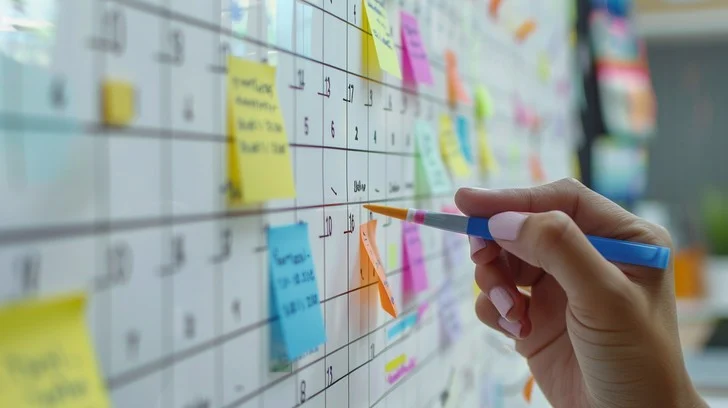
Lean design shifts execution thinking forward. Involving landscape contractors, trades, and construction partners early allows challenges to be identified while solutions are still flexible and inexpensive. When decisions are made collaboratively during design, waste is removed before construction begins, not managed after the fact.
This approach has been proven across integrated design and construction teams and is especially effective for complex landscape construction in Halifax, Nova Scotia, where site constraints and seasonal timing matter. Lean Project Delivery leads to better cost control, smoother schedules, and fewer surprises. It’s time to adopt Lean Project Delivery and address risk early, rather than paying for it later.

Request an Estimate


Copyright © 2026 Oakhill Outdoor Terms and ConditionsPrivacy Policy

.webp)

.jpeg)