.ico)
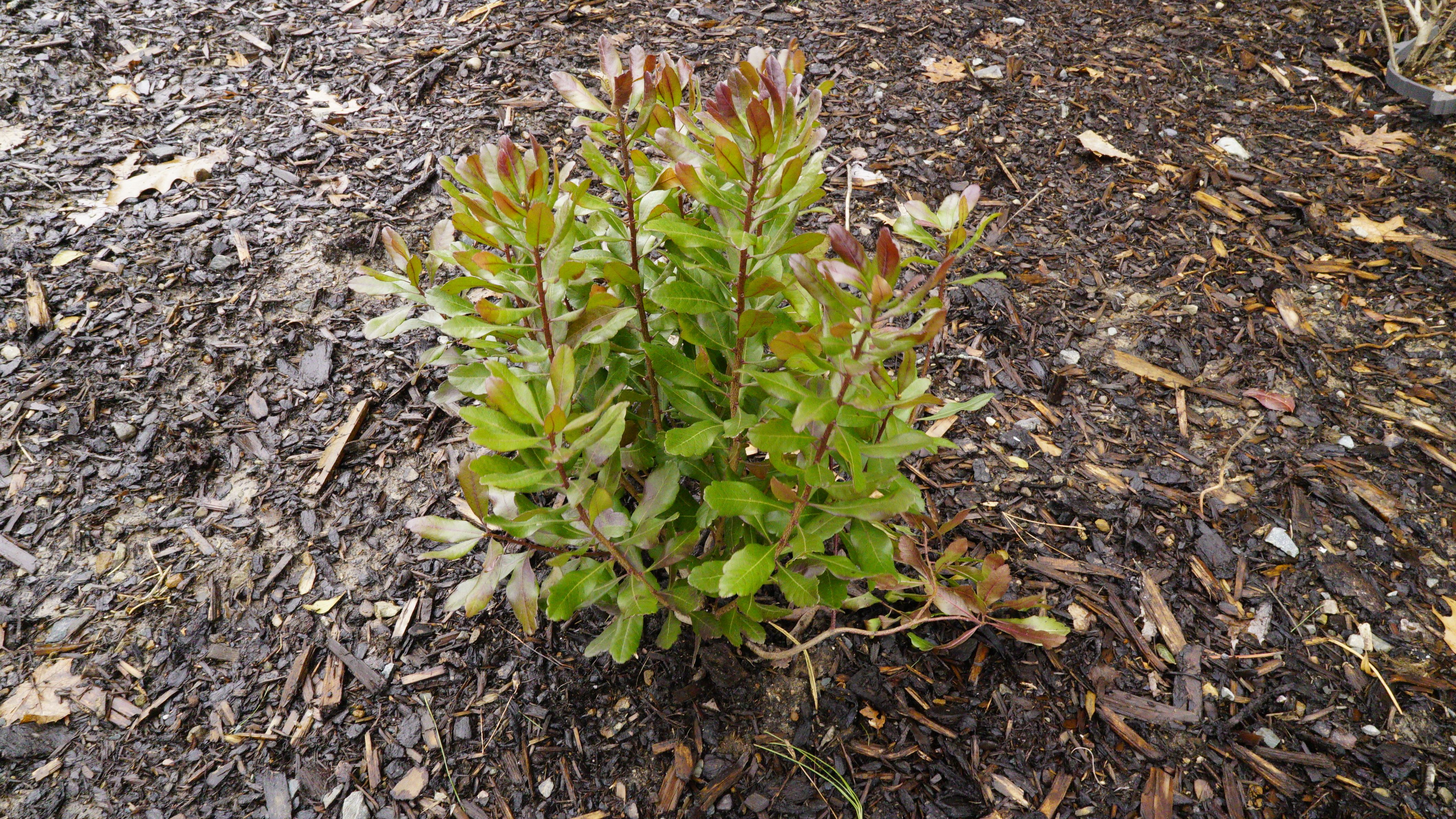
Native planting is an approach to landscaping that involves the use of plants that are indigenous to a specific region, meaning they have naturally evolved in that area over thousands of years. These plants are well-adapted to the local climate, soil, and wildlife, making them crucial for supporting local ecosystems.
This practice offers numerous benefits that enhance our ecosystems and communities. By supporting local wildlife, native plants provide essential food and habitat for pollinators like bees and butterflies, as well as birds and other animals. This, in turn, improves biodiversity, which is crucial for ecosystem resilience; a diverse array of plants helps ecosystems withstand pests, diseases, and climate change, promoting a healthier environment overall.
Additionally, native plants contribute to soil health with their deep root systems, which prevent erosion and enhance water absorption. They often require less water than non-native species, making them more sustainable and easier to maintain. Once established, native plants are generally low-maintenance, saving time and resources for gardeners.
If you're looking to enhance your outdoor space with the benefits of native planting, work with us on your next project. We can help you develop a well-designed plan tailored to your needs and preferences, and our team is ready to handle the installation. Together, we can create a beautiful and sustainable landscape that supports local ecosystems and enriches your community.

Request an Estimate


Copyright © 2026 Oakhill Outdoor Terms and ConditionsPrivacy Policy


.webp)

.jpeg)



.jpeg)