.ico)
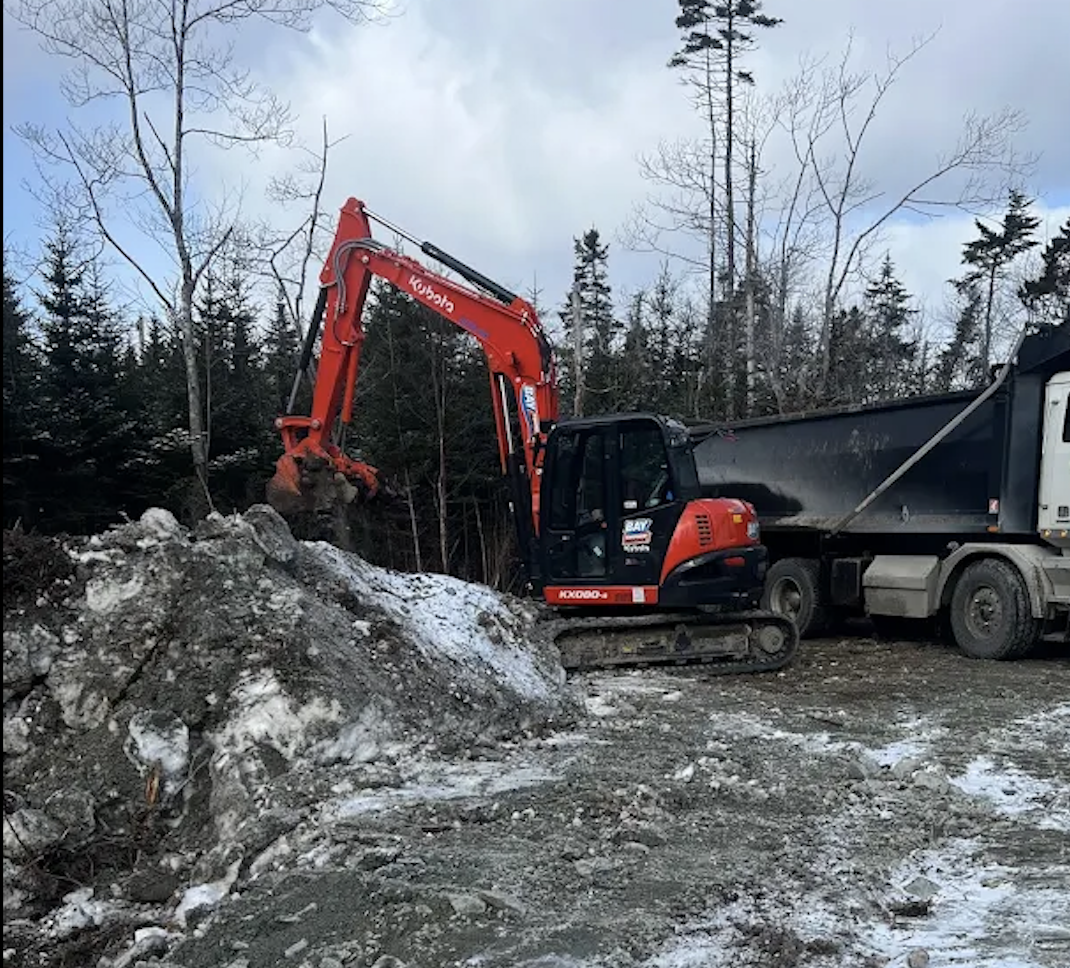
Nova Scotia’s coastal climate produces frequent freeze-thaw cycles, where groundwater and soil moisture freeze, expand by roughly 9%, and then thaw as temperatures rise above 0°C. In a province known for drastic weather changes, this repeated cycle places significant stress on soil, concrete, and hardscape installations. Understanding the freeze-thaw cycle is key when planning and completing any landscape or civil construction project in Nova Scotia. When this natural process is overlooked, the long-term performance, stability, and overall lifespan of your project can be significantly reduced.
Soil Movement and Frost Heave
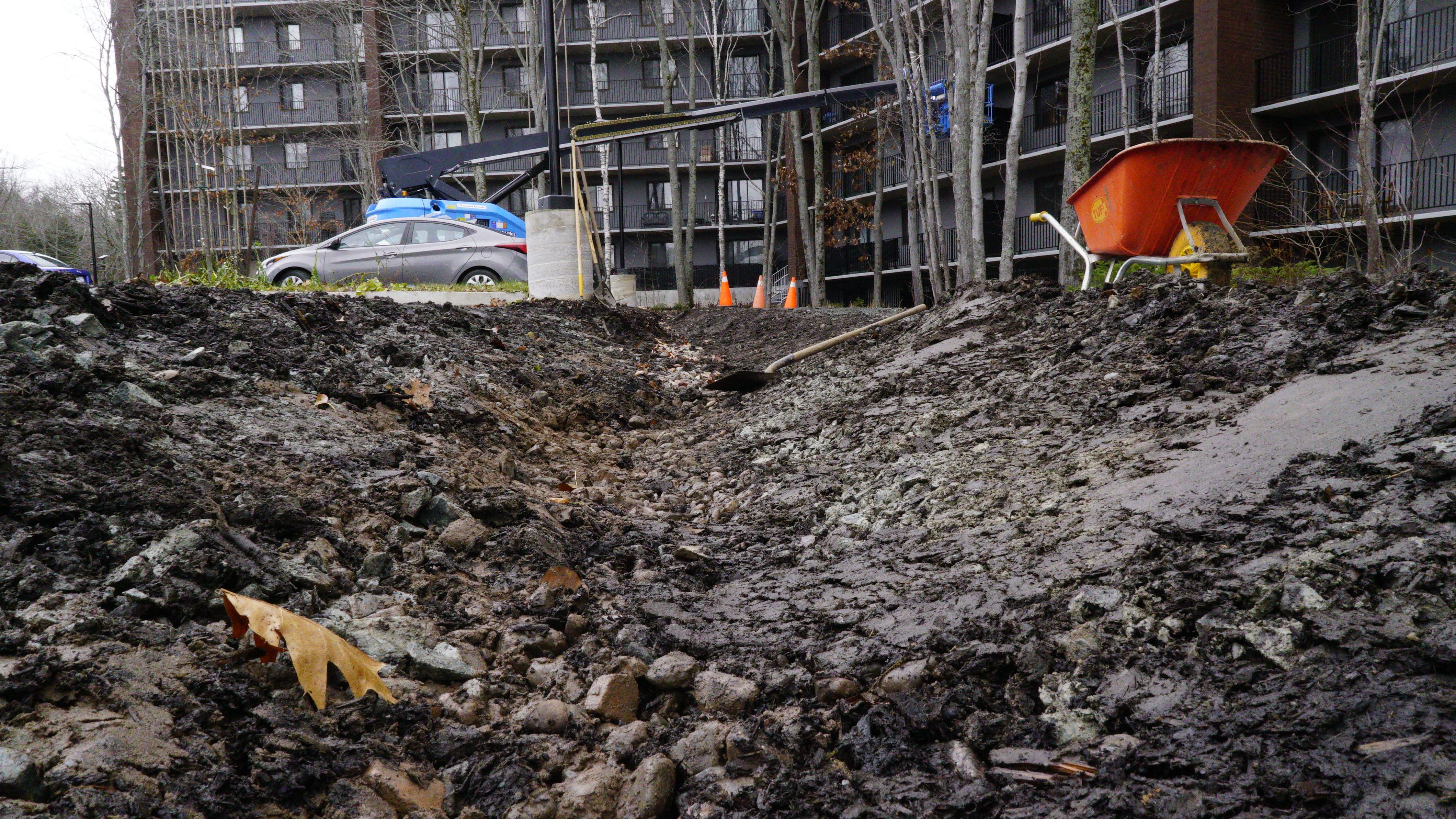
Freeze-thaw cycles have a major impact on soil stability. As moisture in the ground freezes, it expands and pushes the soil upward, creating what is known as frost heave. When temperatures rise and the soil thaws, it settles unevenly, often in a different position than before. This ongoing movement can disrupt grading, weaken base layers, and undermine the foundations of landscape elements, leading to long-term instability if not properly planned for.
Concrete Cracking and Surface Damage
Concrete is highly susceptible to freeze-thaw damage because of its natural pores that allow water to seep in. When that water freezes and expands, it creates internal pressure that can cause cracking, surface flaking, and premature deterioration. Nova Scotia’s frequent temperature swings accelerate this process, making proper concrete selection, curing, and protection essential for maintaining structural durability.
Paver Shifting and Uneven Surfaces
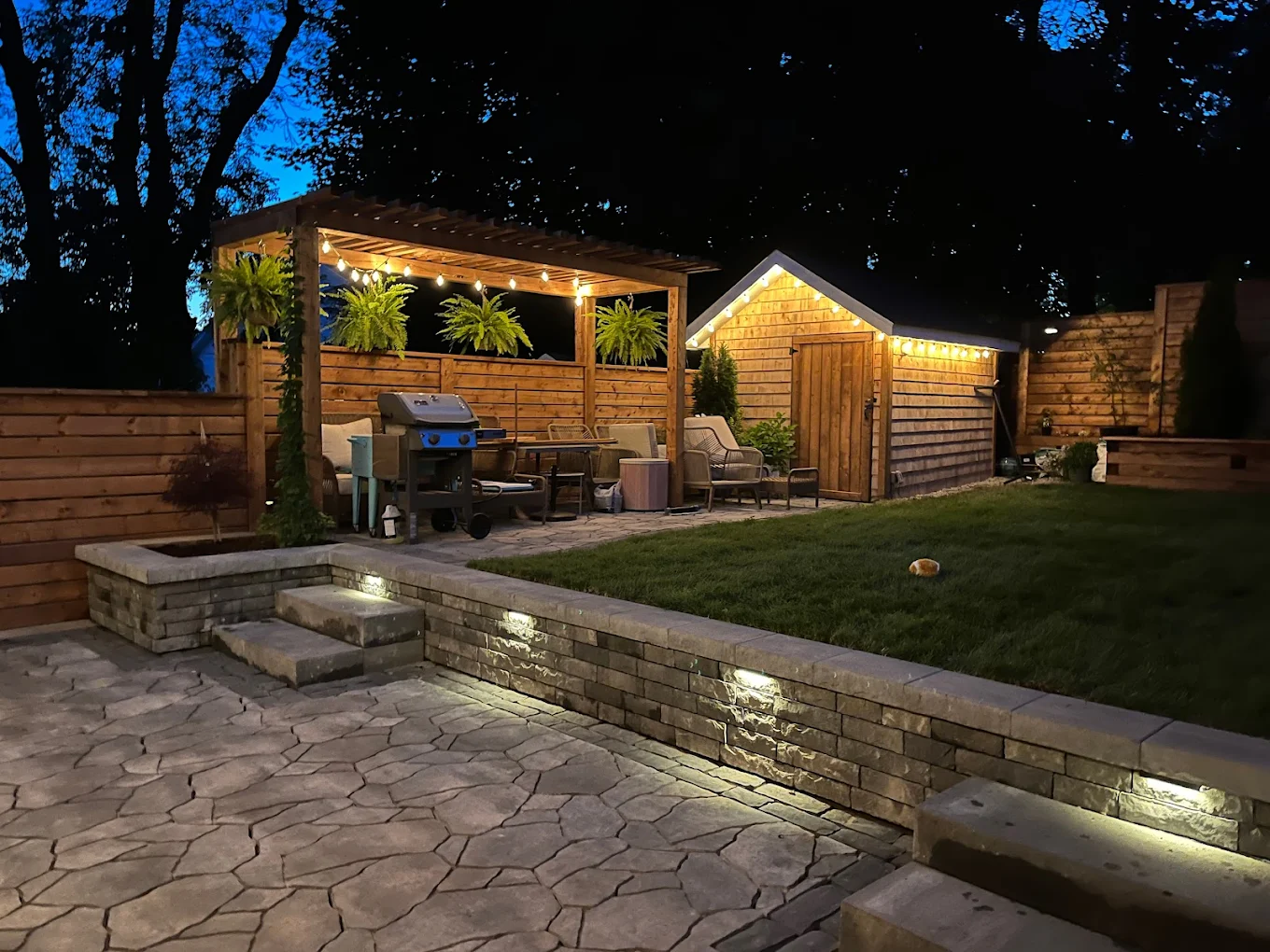
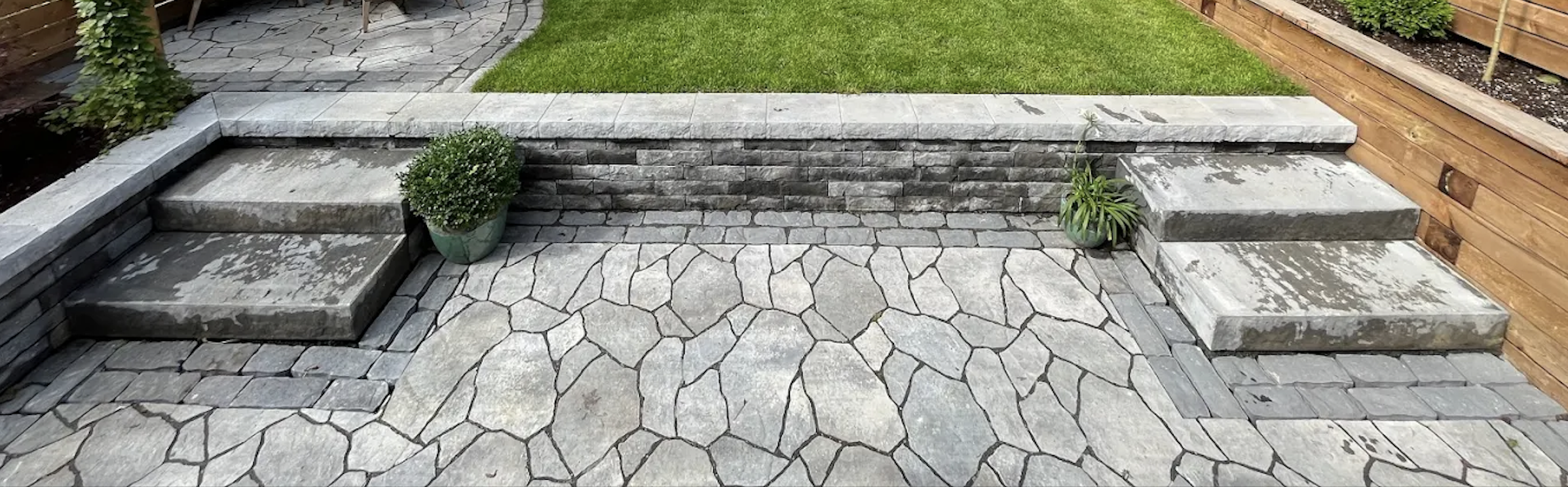
Interlocking pavers rely on a stable, well-compacted base to remain level. When freeze-thaw cycles cause the ground below to shift, poorly prepared bases can lead to pavers sinking, lifting, or separating over time. This not only affects appearance but can also create tripping hazards and costly future repairs. Ensuring proper base depth, compaction, and drainage is critical to preventing these issues.
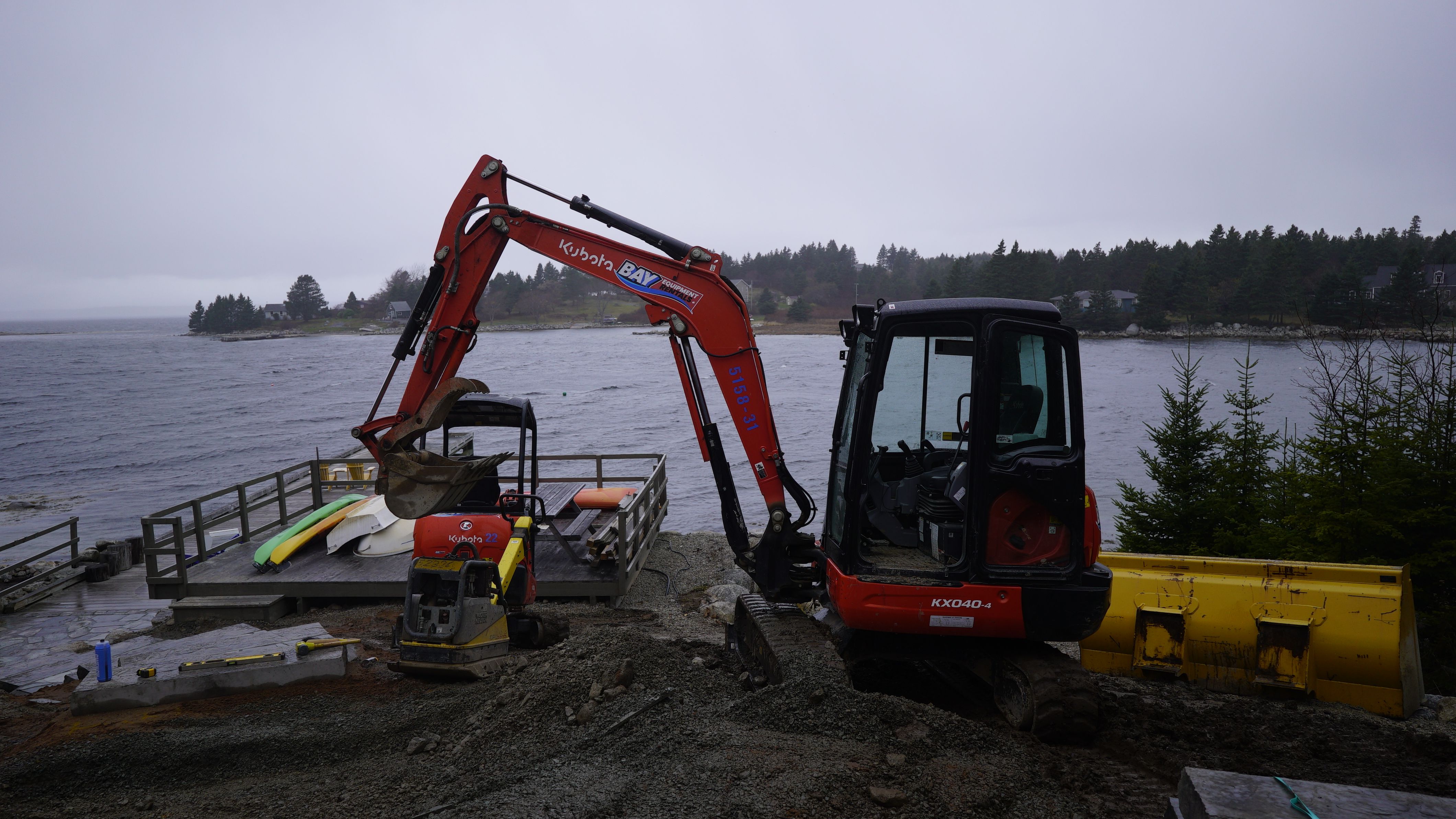
To protect the performance of every project, we design and build with Nova Scotia’s freeze-thaw conditions as a fundamental part of our planning process. Our approach includes engineered sub-base preparation, climate-appropriate materials, thorough compaction, and advanced drainage solutions that prevent water from collecting where it can cause damage. We also schedule projects strategically to avoid late-season temperature swings that can compromise curing and site stability. By integrating freeze-thaw resilience into every stage of construction, we ensure your project remains strong, stable, and visually flawless for years to come, saving you money by preventing premature repairs and unnecessary future work.

Request an Estimate


Copyright © 2026 Oakhill Outdoor Terms and ConditionsPrivacy Policy


.webp)

.jpeg)

.jpeg)